



Objectives
- Strengthen the vertical connections between primary and secondary school curricula to ensure effective continuity of learning content, helping students transition smoothly.
- Enhance students' skills in learning, social interaction, and self-management to adapt to secondary school life.
- Assist students in adjusting to the environment and challenges of secondary school, boosting their confidence and independence.
- Encourage students to cultivate new social networks and enhance their teamwork and communication skills.
- Guide students in discovering their interests and potential, laying the foundation for future learning directions.
Curriculum mapping
- Thinking Training — Through systematic thinking training, enhance students' creativity and adaptability when facing challenges; promote self-reflection on their thought processes and increase self-awareness and personal growth.
- Project-Based Learning — Allow students to explore specific topics in depth, fostering a deeper understanding of knowledge; encourage them to analyze and evaluate different perspectives, developing critical thinking and problem-solving skills.
- Values Education — Through real-world topics, cultivate students' correct values and attitudes. Provide students with a comprehensive learning experience to promote their holistic development.
- Digital Education and STEAM Education — Through exploratory and creative activities, enhance students' curiosity and cultivate their problem-solving abilities and innovative thinking.
School-based measures
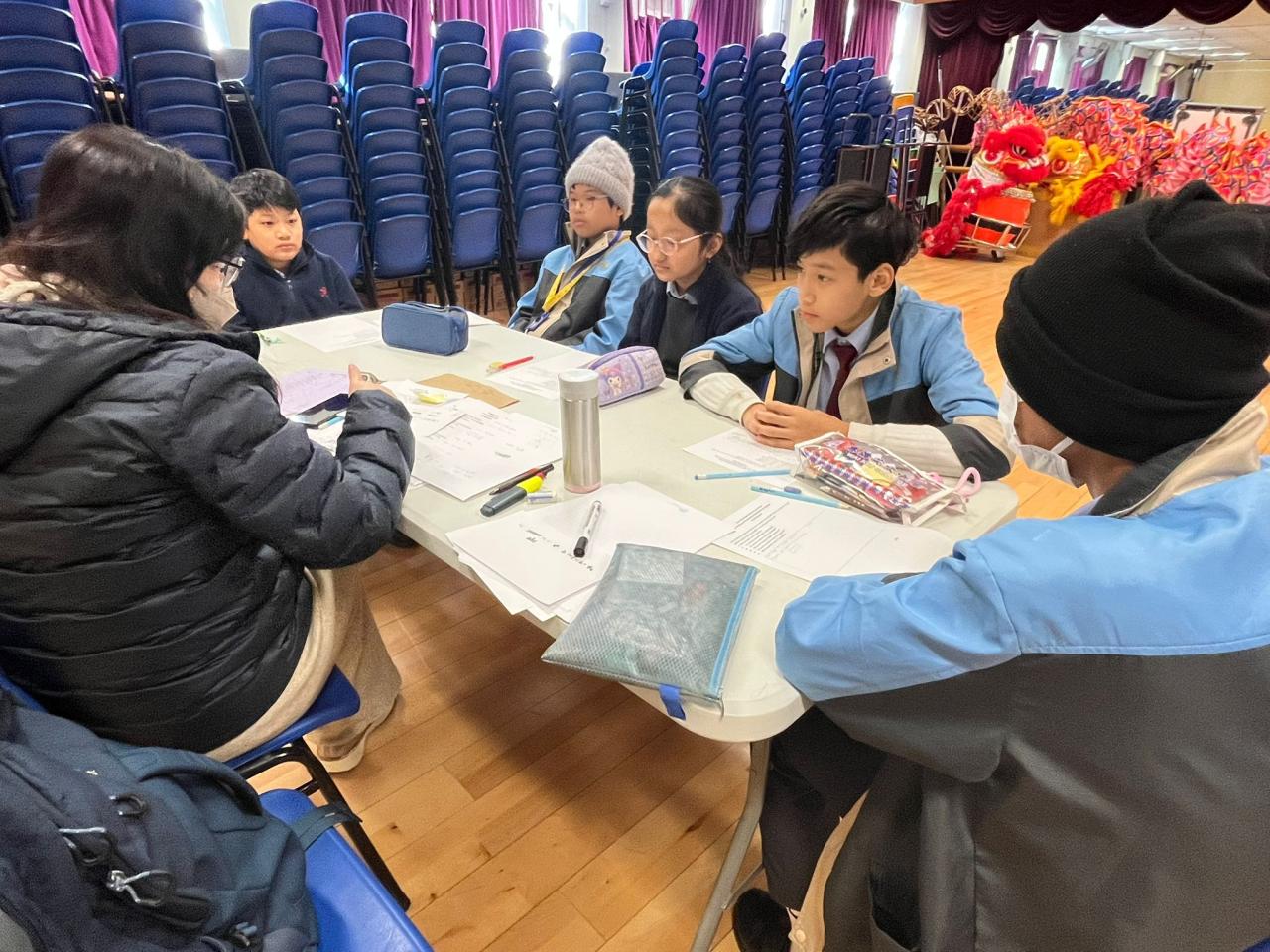
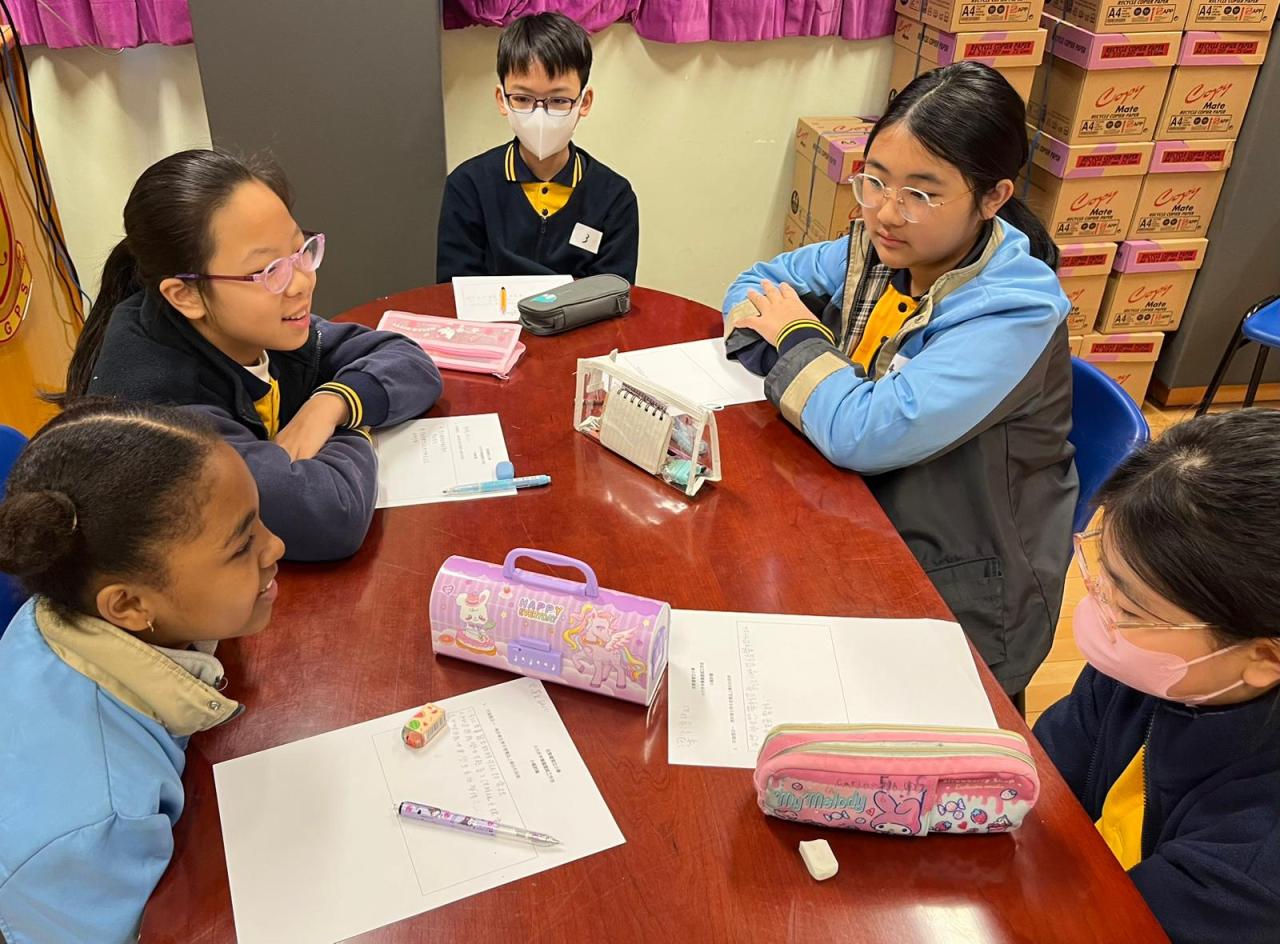
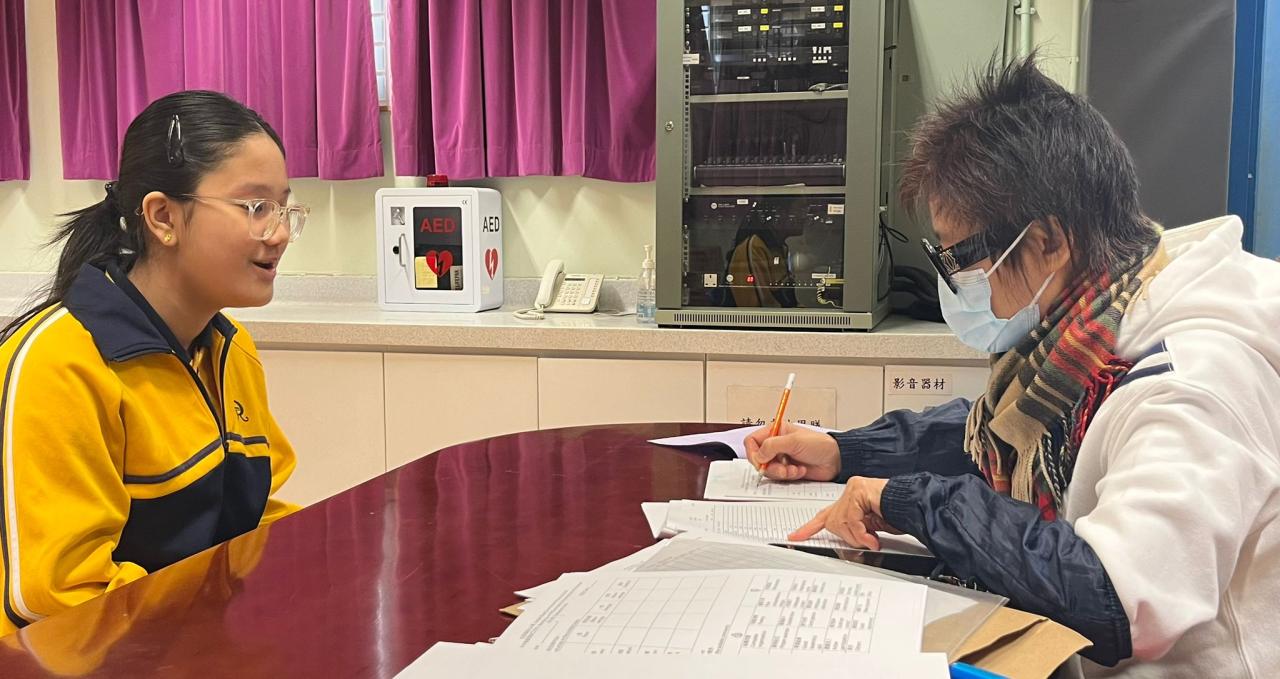
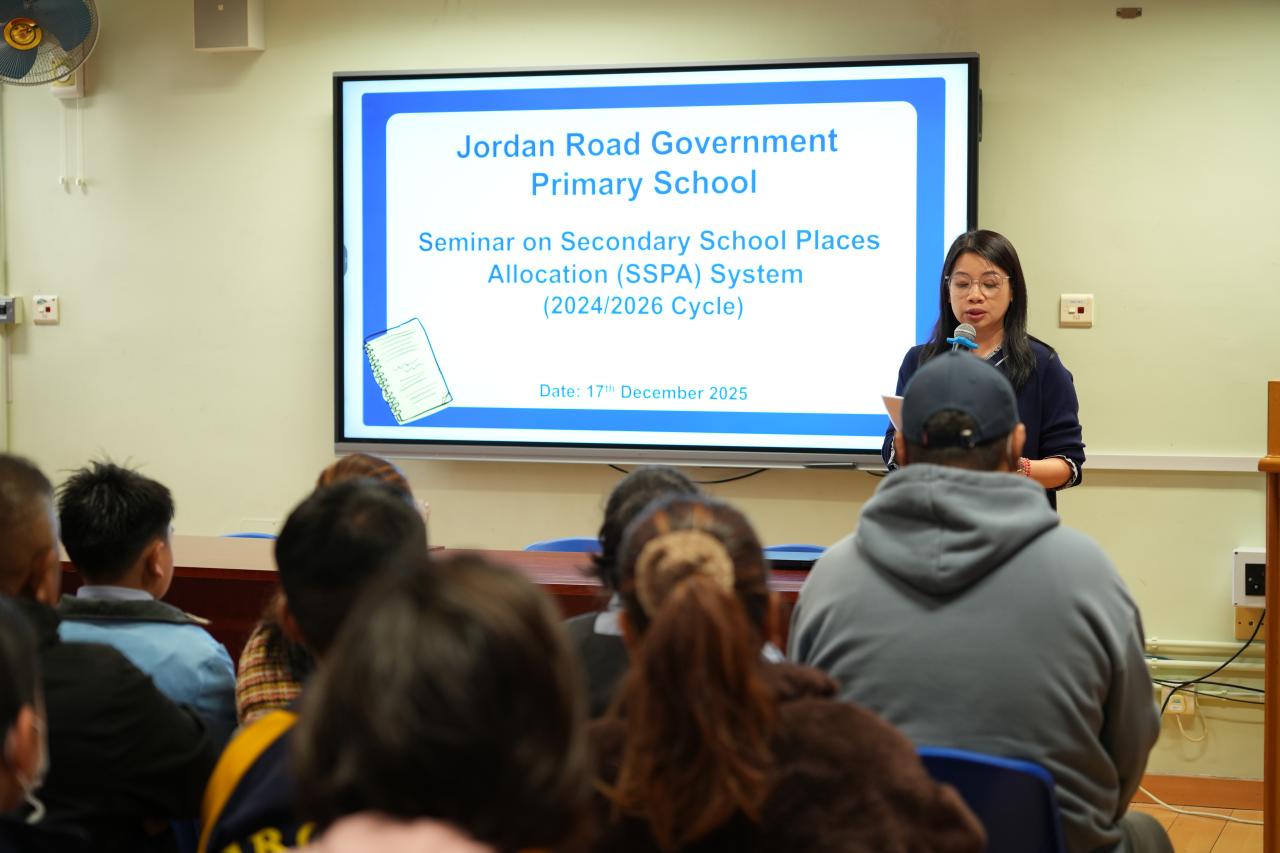
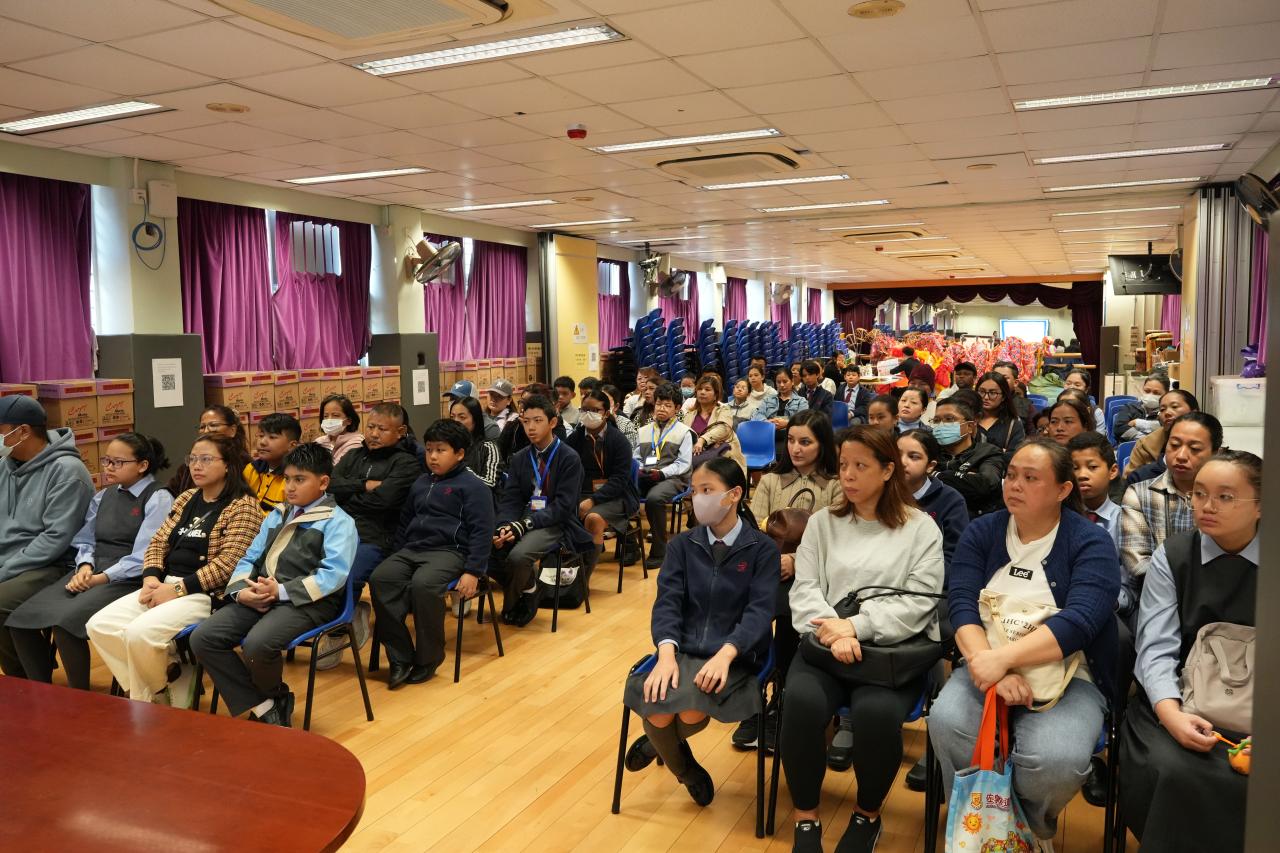
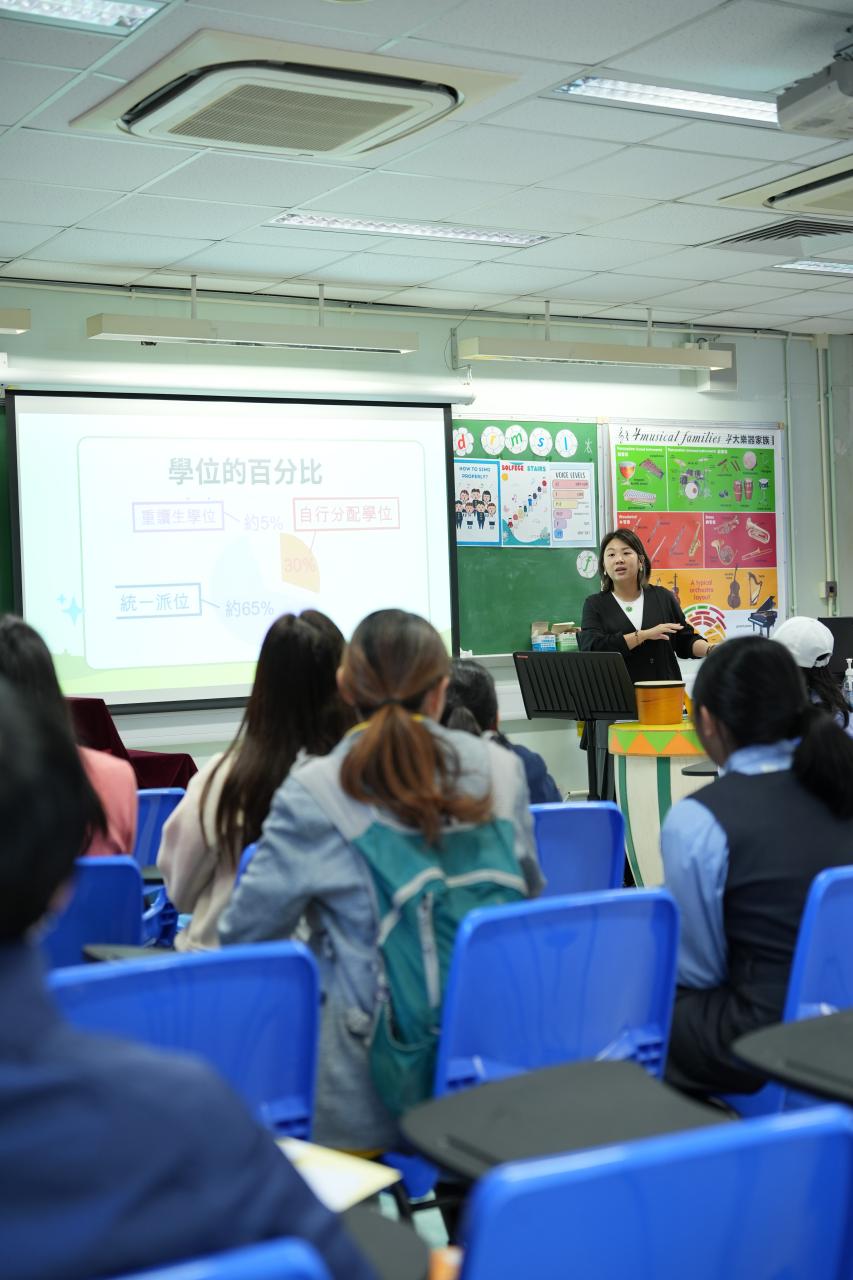
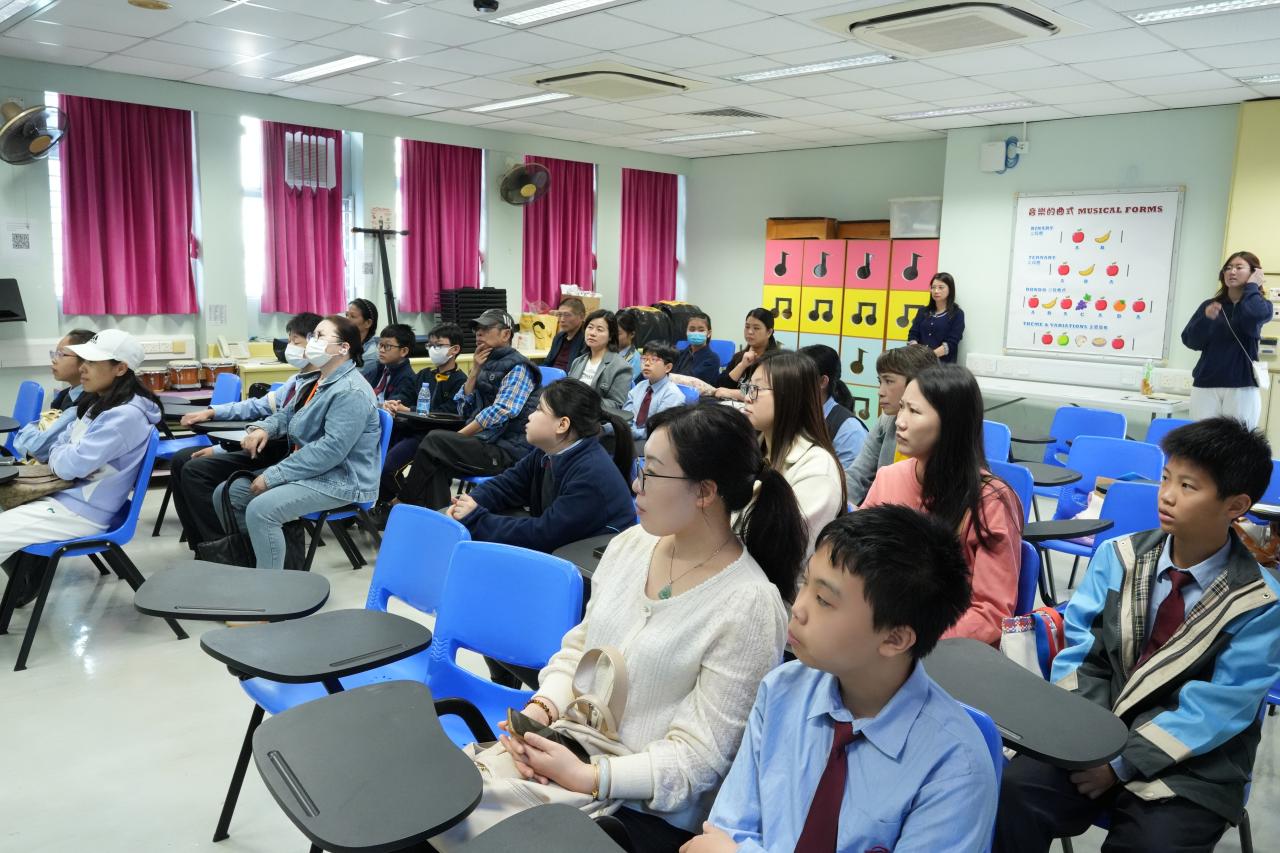
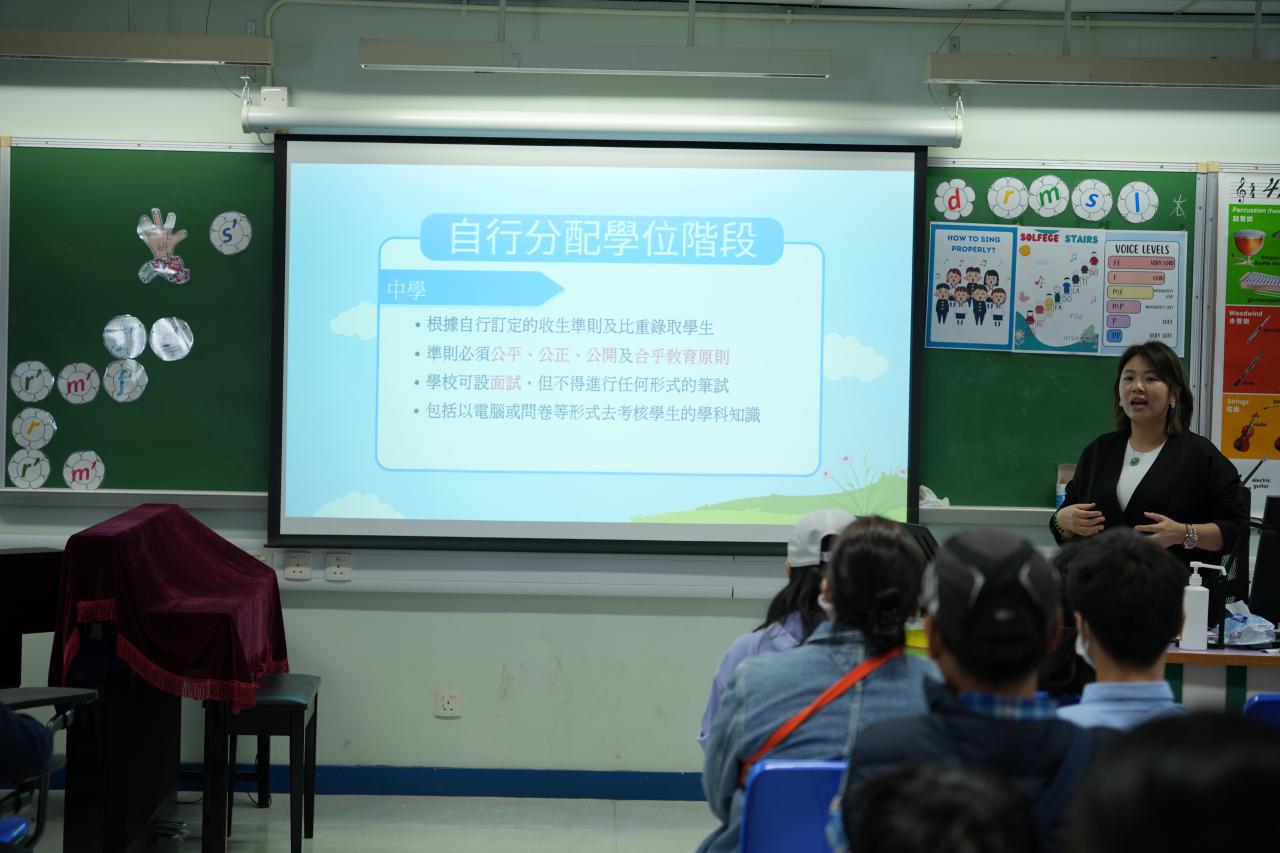
In order to assist Primary 6 students in adapting to secondary school life, our school provides support through parent meetings, secondary school transition seminars, school visits, sharing information about secondary education, and adaptation courses for moving to secondary school.